- 01
Fewer thermal bridges
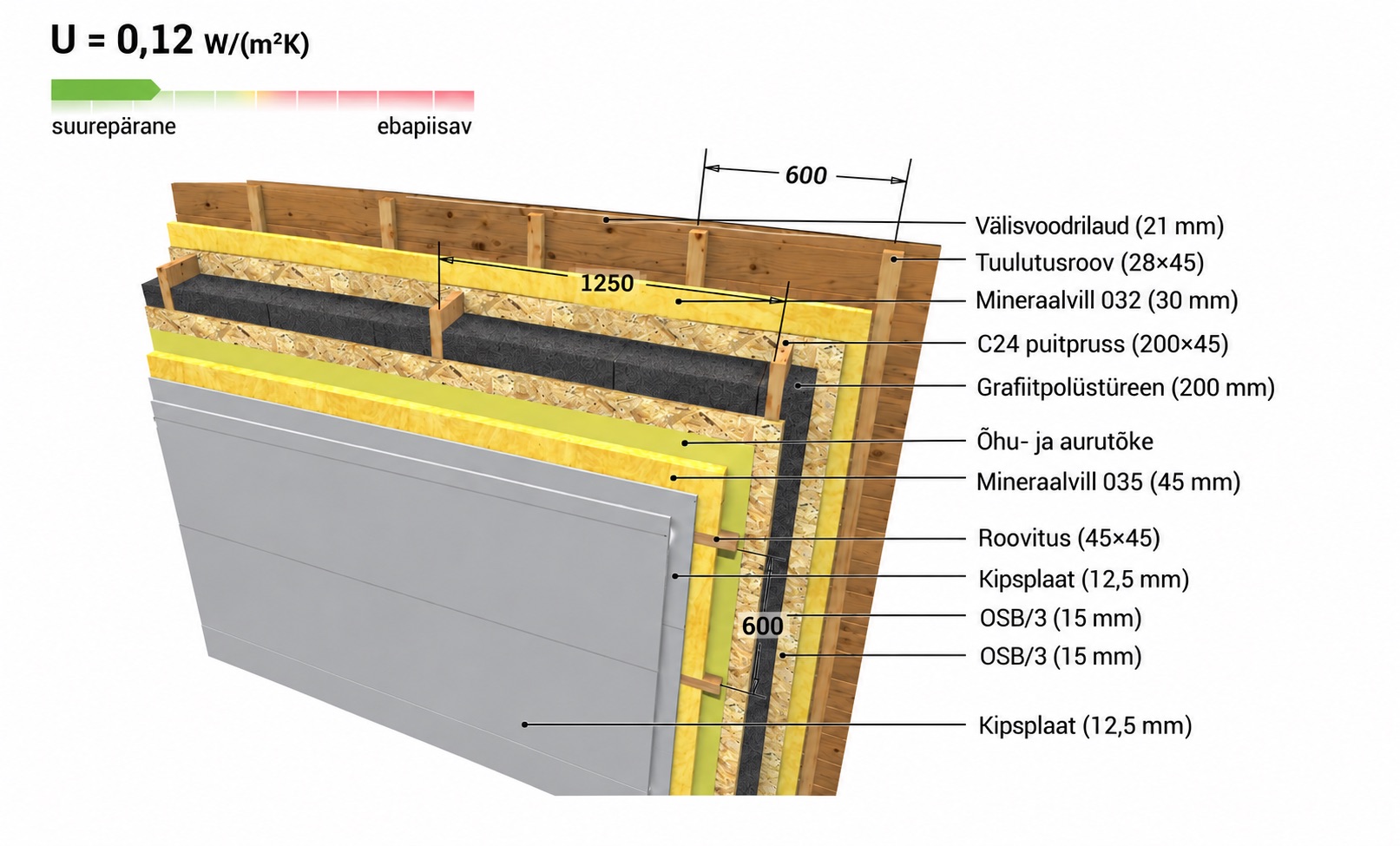
The insulation forms a large, almost unbroken layer. A wider stud spacing reduces thermal bridging and timber use, which is an advantage over an ordinary timber structure.
- 02
Very good airtightness
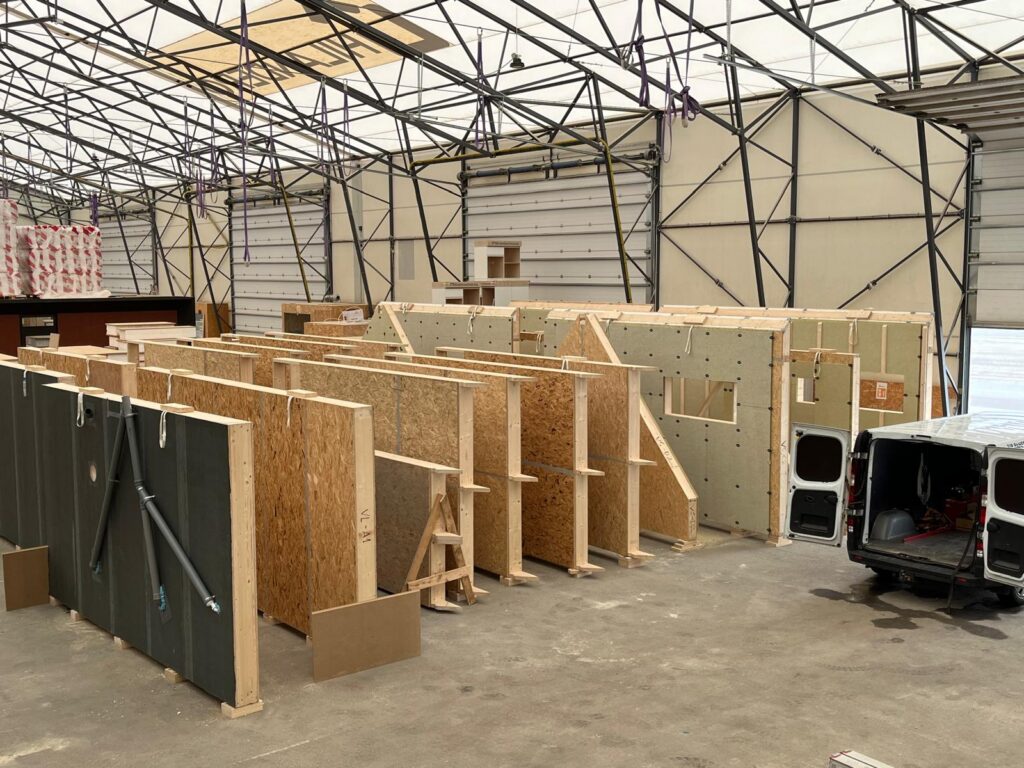
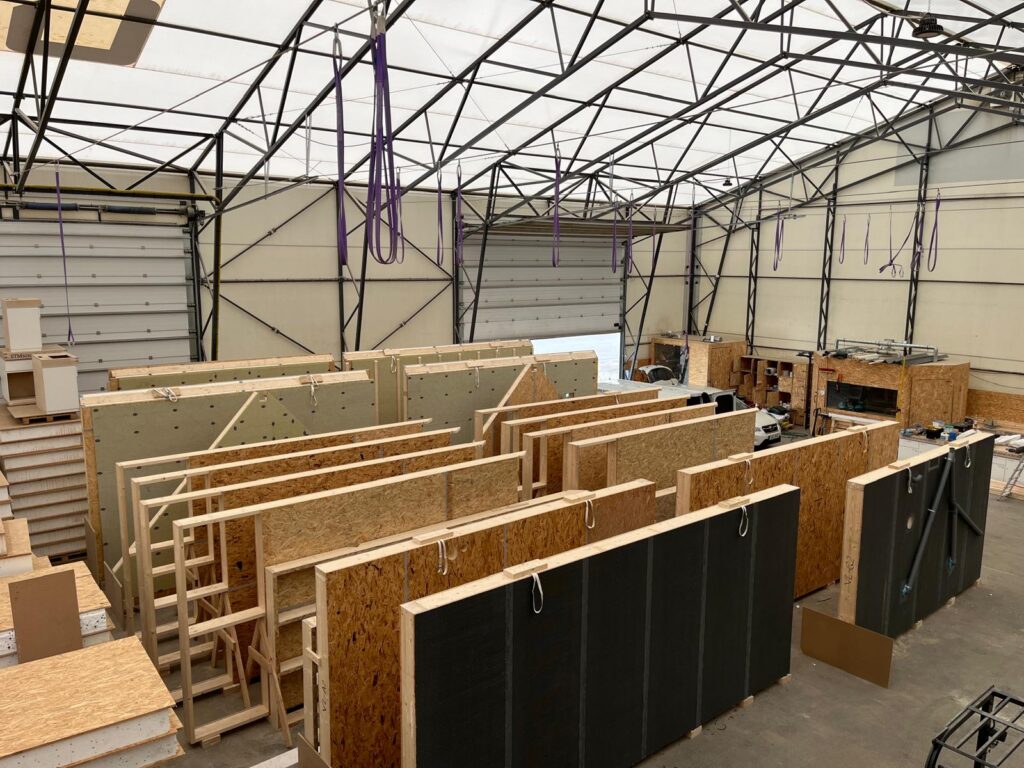
Large factory-made elements and properly sealed joints keep uncontrolled air leakage low and indoor temperature even.
- 03
Excellent thermal performance
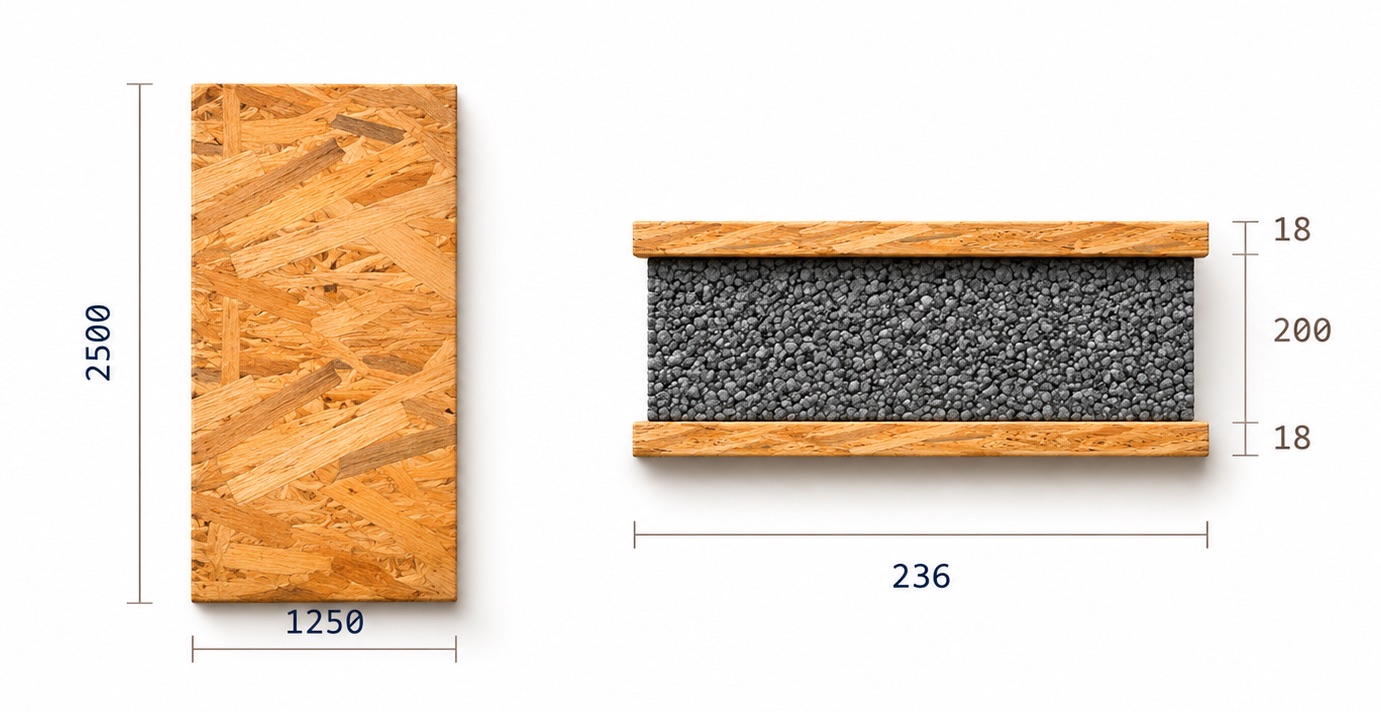
The insulation conducts at roughly 0,031 W/(m·K), so a thinner wall reaches the same warmth and leaves more usable floor area.
- 04
Fast shell erection
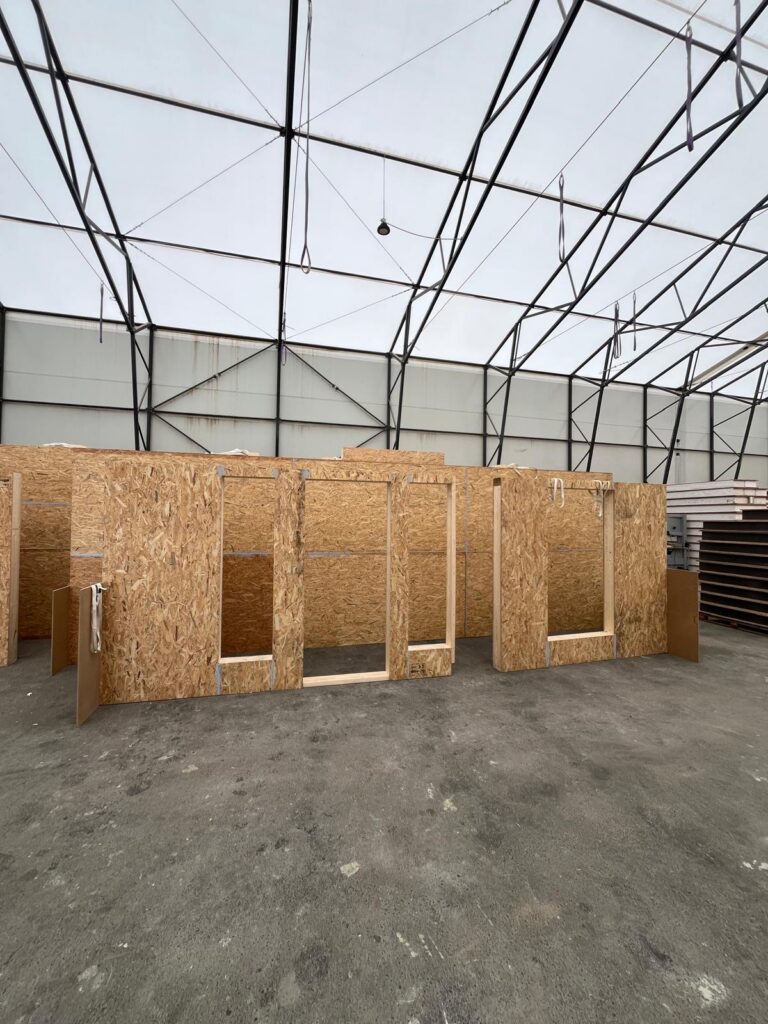
Window and door openings and service penetrations are cut at the factory, so work on site is assembly only.
- 05
Precise factory production
Elements are made to tight tolerances. Accurate parts and openings simplify assembly and cut the hours spent on site.
- 06
Strong and rigid structure
The OSB facings and the insulation core act as one composite element, which gives the panel high stiffness and load capacity.
- 07
Less work and waste on site
Most of the cutting and preparation happens in a controlled factory, which speeds the build and keeps the site clean.
- 08
Lighter structure
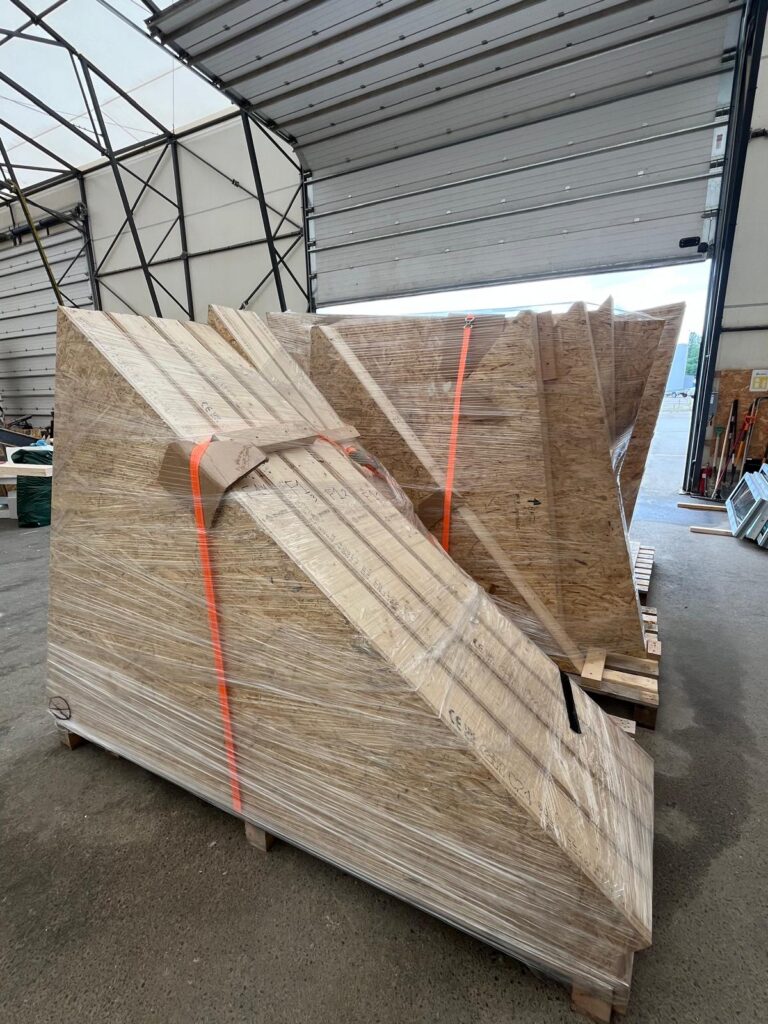
A SIP structure is considerably lighter than a masonry or timber structure. That simplifies transport and lifting and can reduce the loads on the foundation.
- 09
Fewer wet trades
SIP building is dry assembly. No mortar or concrete has to cure on site, so the schedule holds up in changeable weather.
- 10
A sound basis for a low-energy building
An unbroken insulation layer, few thermal bridges and good airtightness are a strong starting point. The final energy performance always depends on the building as a whole.
- 11
Flexible use
Floors, external walls, partitions, load-bearing walls, ceilings, intermediate floors and roof decks.